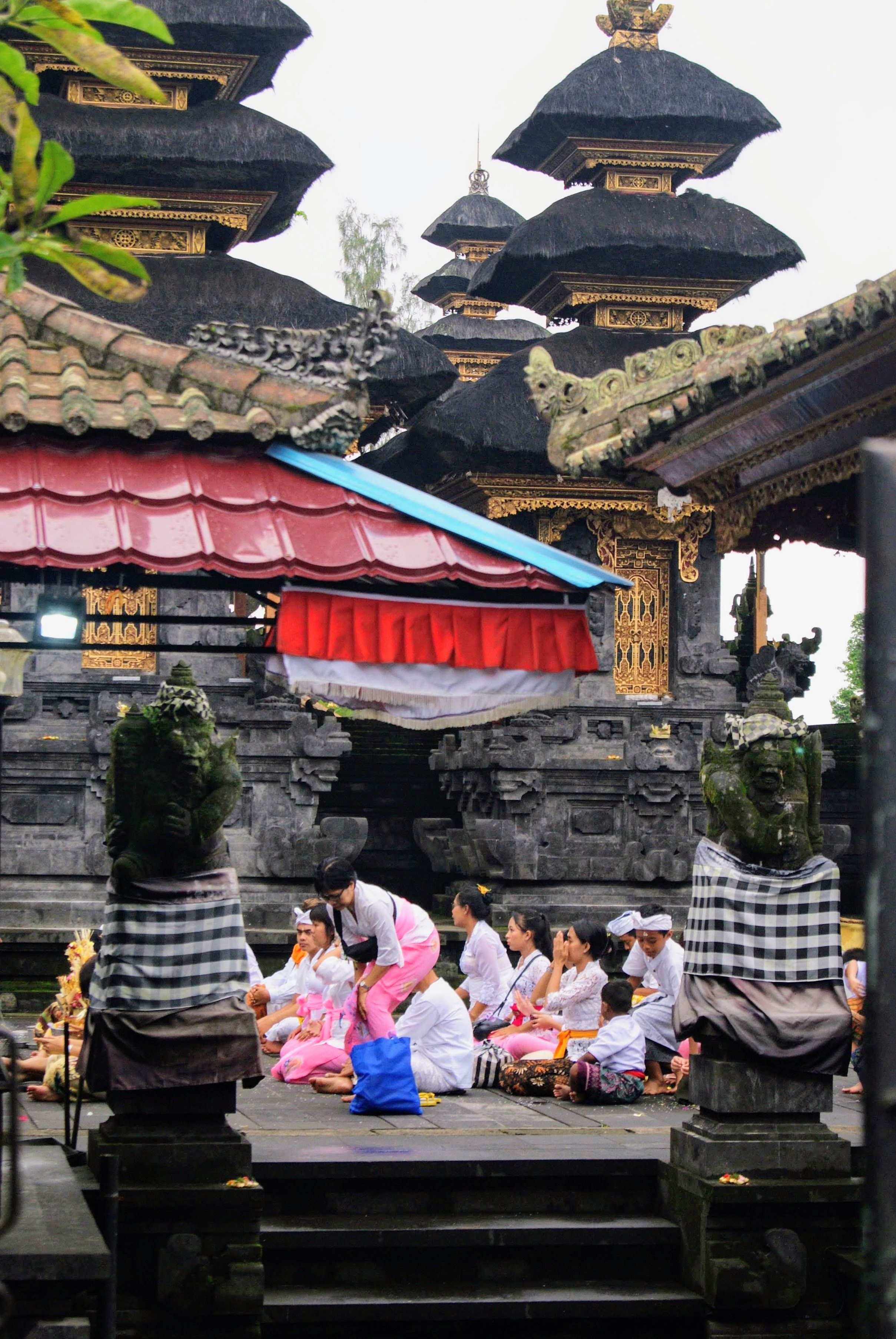
Bali makes much more sense when you look beyond the itinerary
There is absolutely nothing wrong with coming to Bali for sunshine.
We support the beach. We support the pool. We strongly support doing absolutely nothing for several hours.
But Bali becomes considerably more interesting once you begin understanding what is happening behind the scenery.
The temples are not decorations. The rice fields are working agricultural landscapes. The offerings you see every morning have meaning. The crafts sold in shops come from traditions practised across generations.
If you want to know Bali rather than simply pass through it, start here.
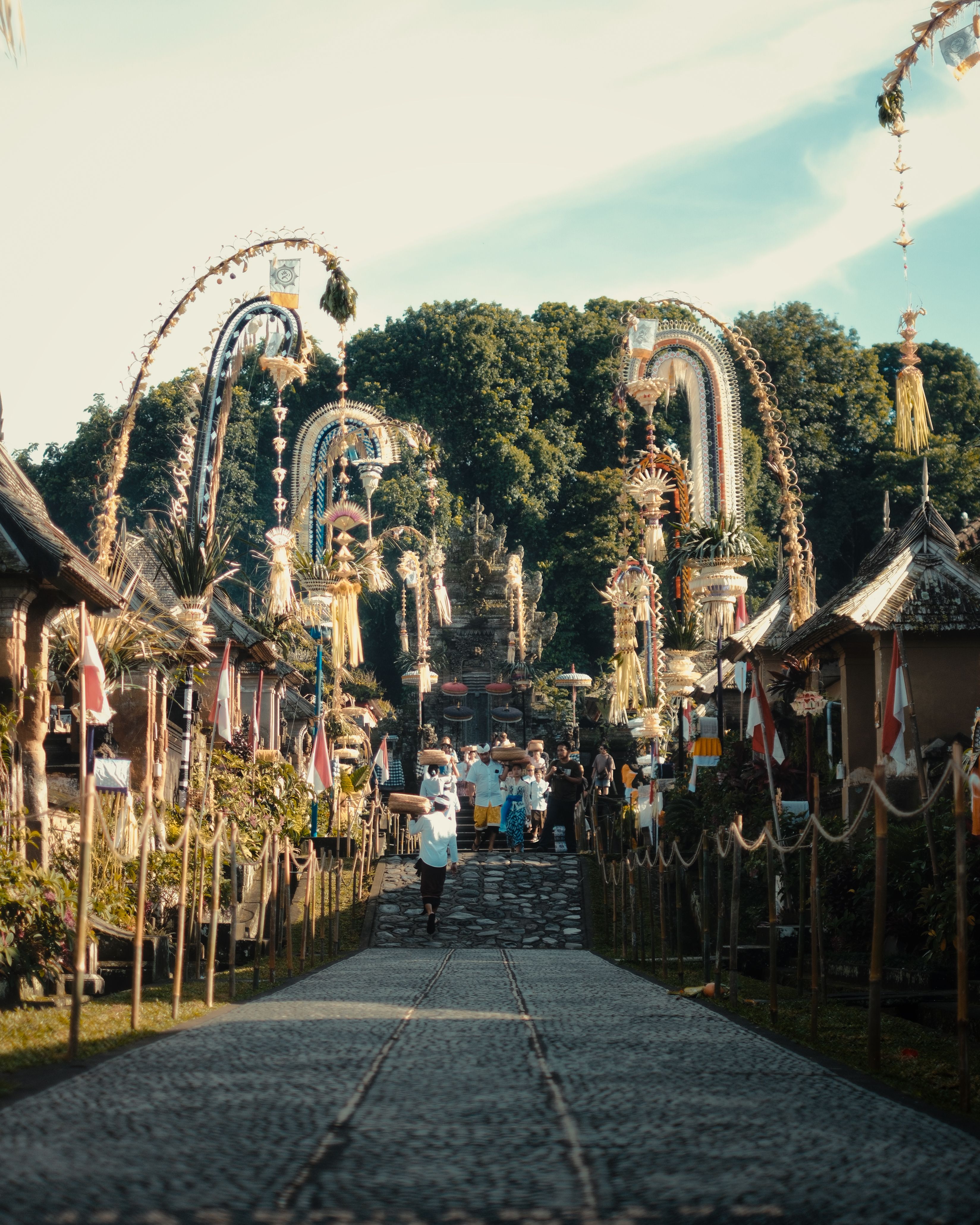
1. Visit a Balinese village
A village visit gives you context for many of the things you will see during the rest of your holiday.
Traditional family compounds, temples, farming, ceremonies and community life are interconnected in ways that are not always obvious to visitors.
A locally-led experience gives you the opportunity to ask the questions you would otherwise Google later.
Why are houses arranged this way? What are those decorations? What is being grown here? What happens during a ceremony?
The point is not to observe Bali like a museum. It is to understand the place through the people who live there.
2. Learn a traditional craft
One of the best ways to understand Bali is with your hands.
Depending on where you visit, you can find workshops involving weaving, bamboo, woodcarving, silver, painting, textiles and kite making.
These experiences are particularly useful if you have already spent time browsing Bali's markets and craft shops.
You start seeing the finished products differently once you understand how much work goes into producing them.
3. Make a Balinese kite
If you visit during kite season, look up.
You may see huge traditional kites flying above fields and beaches.
Kite flying in Bali is not simply a children's activity; it has longstanding community traditions behind it.
A workshop gives travellers the chance to learn how a kite is assembled and decorated before attempting to fly one themselves.
And yes, watching adults become extremely competitive about whose kite flies properly is part of the experience.
4. Learn about Bali's rice landscape
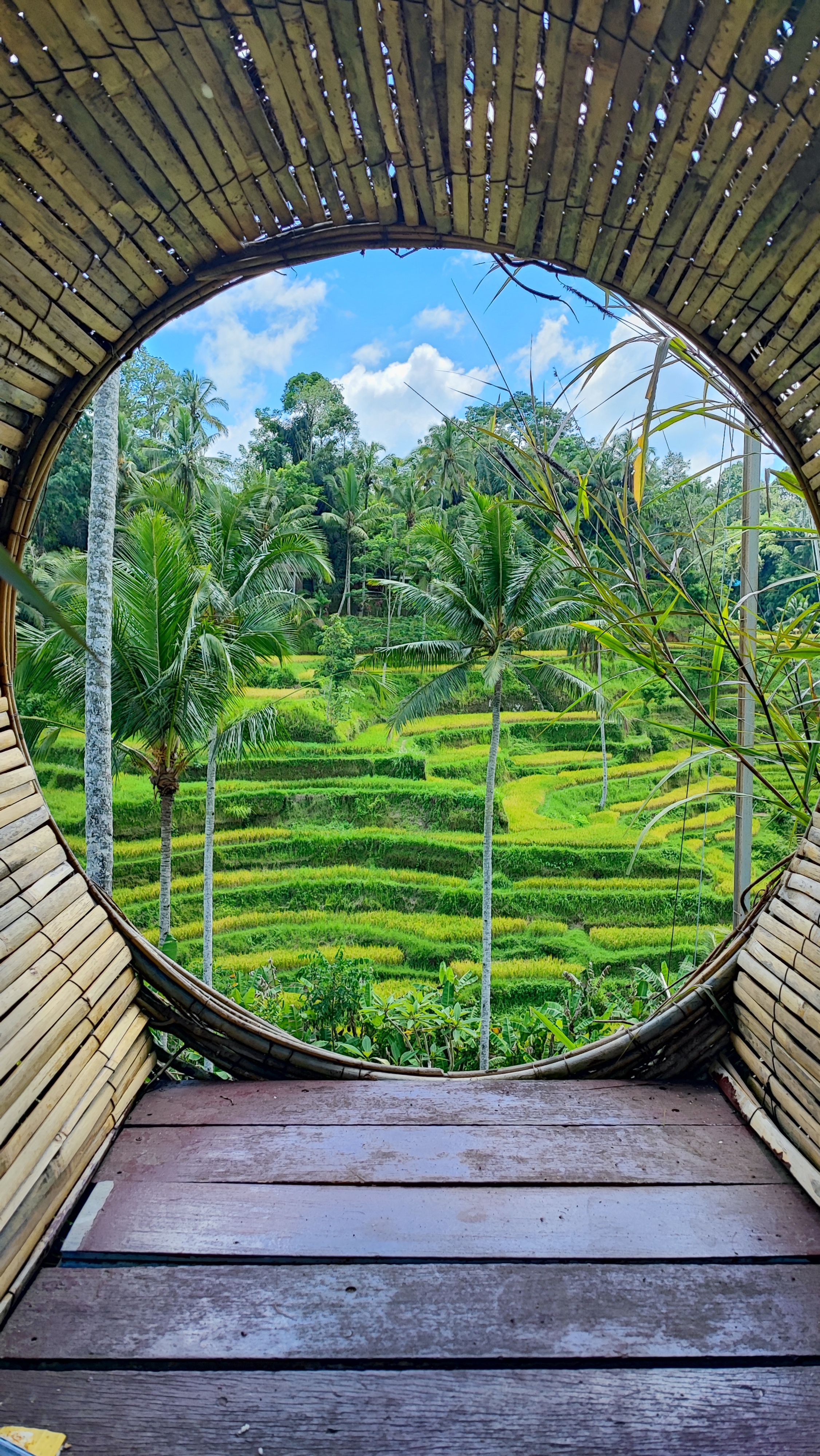
Bali's rice terraces are among the island's most photographed landscapes.
But they are not merely viewpoints.
Rice cultivation connects agriculture, community cooperation, water management and Balinese traditions.
Instead of only taking a photograph from the edge of a terrace, spend some time walking through an agricultural area with someone who can explain what you are looking at.
You will never look at that green Instagram background in quite the same way again.
5. Take a cooking class
You can eat Indonesian food every day without really knowing what is inside it.
A cooking experience changes that.
You begin recognising ingredients. You understand why a particular sauce tastes the way it does. You discover that something you assumed was incredibly complicated is achievable — and something that looked simple involves sixteen ingredients and the patience of a saint.
Choose a class that teaches the food rather than simply staging photographs around it.
6. Learn about daily offerings
One of the first things many visitors notice in Bali are the small offerings placed outside homes, businesses and temples.
They are beautiful, but they are not tourist decorations.
Learning how offerings are created can provide a gentle introduction to the spiritual rhythms of daily Balinese life.
A responsible experience should explain their meaning and context rather than turning them into an arts-and-crafts prop.
7. Experience Bali through food
Not every cultural experience needs an itinerary.
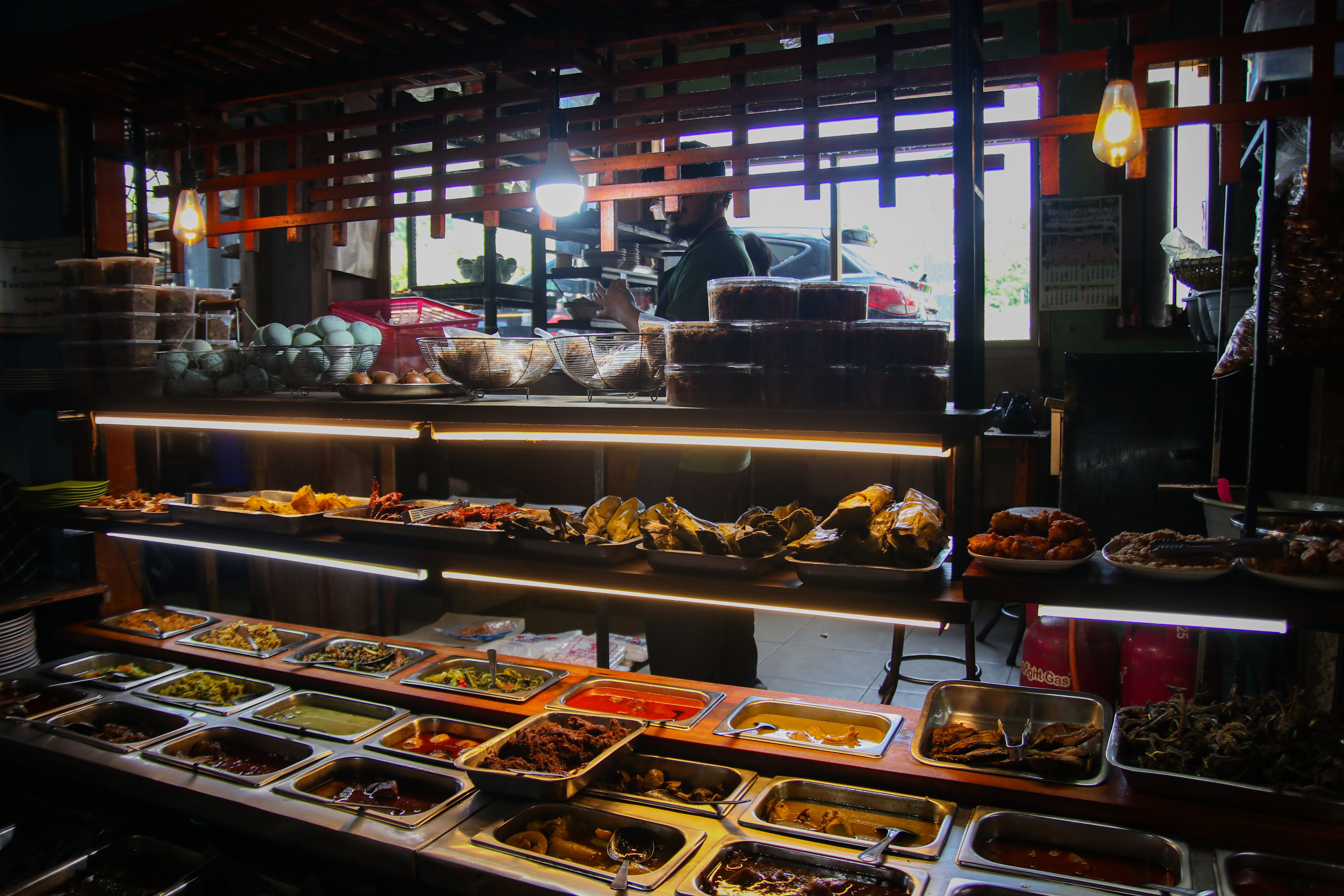
Go somewhere local. Order something unfamiliar. Ask what it is. Try fruit you cannot pronounce. Visit a morning market. Eat where people who live nearby actually eat.
You may remember a bowl of food served at a simple warung much longer than the restaurant everybody told you was famous.
What does "authentic Bali" actually mean?
We are cautious with the word authentic.
Bali is not frozen in time.
Balinese people use smartphones, drink iced coffee, build businesses, sit in traffic and live modern lives just like everybody else.
Culture is not only something traditional that exists for travellers to observe.
For us, a meaningful local experience simply means that the people, place and story behind an activity are real — and visitors are participating respectfully rather than consuming a performance created purely for photographs.
Do you need a guide for cultural experiences in Bali?
Not everywhere.
You can absolutely explore independently.
But for experiences where context matters, having someone local explain what you are seeing can transform the day.
The difference between looking at something and understanding it can sometimes be one conversation.
Kenali Bali's approach
Kenali means to know.
That is exactly how we think people should experience Bali.
Not by ticking every attraction off a list, but by getting to know a little of its places, people, food and traditions while you are here.
You will still leave having seen Bali. We just hope you leave knowing it slightly better too.
Want to experience Bali beyond the tourist trail?
Explore our locally-led experiences or contact us to create a day around the kind of Bali you want to know.
Talk to Us on WhatsApp